The Digital Nomad: The End of an Era
Table of contents
This is a harsh critique of the digital nomad model, and of what will be the collapse of the 100%-remote-work-from-anywhere model. This scenario is easy to see coming, and anyone with doubts should read this article — and, of course, comment and debate it.
I’ve written a bit about remote work, the benefits of going into the office, earning in dollars as a contractor for a company abroad, and other articles I’d invite you to read if you want a broader picture of my perspective on this (some of these are only available in Spanish for now).
- Remote work, or back to the office?
- What’s it like earning in dollars and spending in pesos?
- How to Win the IT Talent War
There’s a lot of talk about telework and hybrid work. We’re constantly discussing new work models, and, even more so, the tech world keeps debating whether there’s any point in going back to the office at all. But there’s little talk about the risks baked into remote work and digital nomad culture. So here’s a bit of reality and business pragmatism that might just change your view of that utopian future.
What Is Flexible Remote Work?

For the purposes of this article, flexible remote work is work you can do without needing to be assigned a specific workspace. It’s worth clarifying that not all remote work is flexible — for example, someone who promotes and sells pharmaceuticals makes constant visits to doctors and healthcare staff, which makes their work remote. But they don’t have the freedom to do that work from just anywhere. The same goes for people who work in freight transport, drive a delivery truck, or fly for an airline.
Flexible remote work means the assigned task doesn’t depend at all on where it’s carried out. That covers a huge chunk of the work in the tech world: coding software, testing, and maintaining and operating cloud services and infrastructure.
Remote Work and Digital Nomads
Flexible remote work has managed to clear a lot of barriers, and today it represents a real opportunity for companies and individuals alike. This comes with plenty of advantages. Among them, companies can:
- Access talent with skills and capabilities that are scarce in their usual territory — where they’re used to operating and finding talent
- Maintain operations or work at lower costs — accessing cheaper talent markets
- Build 24-hour work mechanisms just by adjusting the time zones of the people assigned
On the other hand, individuals can access a few benefits too:
- More money for the work they do
- More job offers — as long as you’re fluent in the language of the market you’re targeting
- The ability to work from anywhere — as long as you can access your work tools. The people who take this benefit seriously and travel non-stop while working are the ones we call “digital nomads”
But if there are so many advantages, why is it doomed to fail? Easy — let me walk you through it.
The Utopian Future of the Digital Nomad

To understand the model’s biggest problem, let’s think about the perfect future it promises. If the model works, and it’s as perfect as some claim, that means anyone able to access flexible remote work — remember the definition above — should be able to work from anywhere.
For that future to happen, keep this in mind:
- Every digital nomad needs to be fluent in the language of the company or market they work for — today that’s English for nearly 100% of remote tech jobs (with some exceptions in Europe), but on this side of the world, Uncle Sam rules the market.
- Mobility restrictions between countries shouldn’t exist — that is, you should be able to travel to any country to work, and keep in mind that’s not the same as traveling as a tourist.
The first point depends 100% on you; the second one isn’t solved for citizens of many countries. This hits citizens of developing countries especially hard. This second point is much more complex, and the reason is simple: if the only thing standing between a poor or developing country and a “rich” one is a plane ticket, I could work from anywhere. Could I live the same way, earning and spending in dollars? Probably not. So it doesn’t really add up.
Digital Nomad Visas
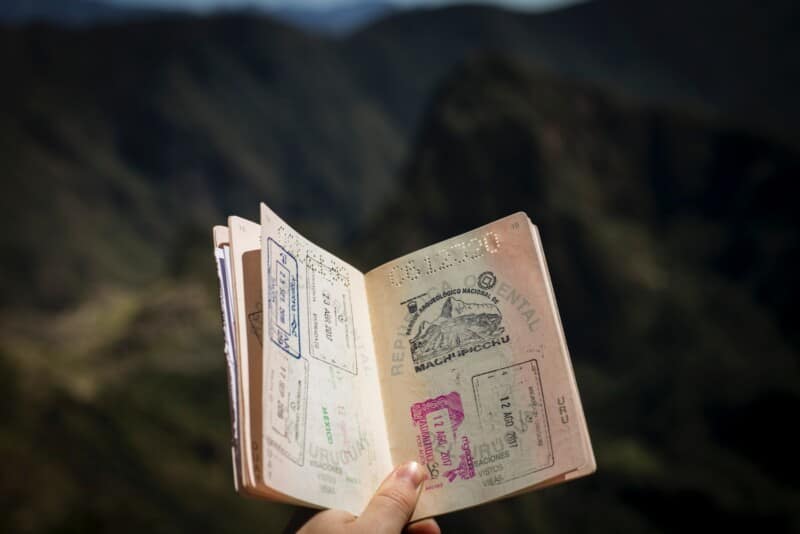
That said, it’s worth mentioning there’s a whole movement to legalize this mobility through so-called “digital nomad visas .”
A digital nomad visa, or in some cases a temporary residence permit, grants a visitor the right to stay in a country and work remotely for an employer or company based abroad. These visas usually last 12 months and can be extended for one or more years, depending on the issuing country.
These digital nomad visas aren’t for everyone; there will still be a large contingent of digital nomads on tourist visas, either because it’s more cost-effective or because they don’t need a long-term visa.
Problems With the 100%-Nomad Model
I could keep explaining a bunch of concepts about work, remote work, flexibility, workplace privileges, and how nations support digital nomads — transportation systems, healthcare, housing, education, and, well, everything that comes with mass migration of people. But let’s get to the point.
1. The Digital Nomad’s Career Dynamics
Imagine you’re a lucky person — you speak fluent English, you know tech, you’re good at what you do, and a company abroad reaches out to pay you in dollars. BINGO! You’ve got a great opportunity. Probably a very good one.
First possibility: the exceptional person
A few months, maybe a couple of years later, you’re aiming for something better. You know the market, and you’ve been offered relocation to the company’s home country. You move, and the benefit of the exchange-rate gap between your currency and the foreign one vanishes in an instant. You’re no longer a “cheap resource.” Now the company wonders whether it can keep looking for people outside the country, or whether relocating you is really worth it. It might do that for exceptional people, but not for everyone — not even everyone with good qualities.
Second possibility: fierce competition between companies
A few months, or maybe a couple of years later, several companies have seen your profile, and you’re getting flooded with offers — good, competitive ones — and the temptation to move and look for a change becomes very strong.
Third possibility: total boredom
Months or years go by, and you’re still doing the same thing. Nothing changes; your work, which used to be something you did with dedication, is now deeply boring.
There are, of course, more possibilities than these, but these are the straightforward ones. It’d be interesting, for example, if you’d led an outsourcing effort and today lead a company or a team of people, and, beyond the money, had built an exceptional work environment. But let’s not kid ourselves — those are very rare cases.
Scaling the Model Breaks the Digital Nomad’s Benefits
Now imagine everyone wants to do the same thing — change countries, or move between jobs to make sure their income is always the best they can get. Here are some truths about the model that digital nomads like to preach.
- It’s only wonderful if there are few digital nomads.
- If everyone wants to migrate or move around, that makes it very hard for companies to grow their teams — so it’s doomed to stay limited to small or medium-sized companies.
- If everyone is “listening to offers,” people within that market get recognized globally as volatile. Real projects look for teams that stick around. If you work at a company that offers you projects in other countries, would you say unexpected staff turnover — known as attrition — is high or low there? Do you know people who’ve accepted offers only to quit within a few months, or even a few weeks?
Even with your doubts still there, chew on this.
A Perspective Exercise on the Digital Nomad

If you work in this industry and believe the model is foolproof, I’d invite you to try the following exercise on remote work thinking.
Let’s say you’re someone working in a Latin American country — say, Ecuador — and you’ve decided to grow your income. Instead of working as a single developer, you’re going to take on 3 or 4 jobs and subcontract 3 or 4 developers like yourself, acting purely as a middleman.
What would need to be true for this to work? Think it through for a few minutes before continuing.
Why Hire Remote Workers?
Here are a few reasons your idea would work.
- You need to charge more than what you pay your subcontractors. In other words, part of the key is that companies are willing to pay X amount for your services, and you can pay a little less than that to delegate the work.
- The gap between what you receive and what you pay needs to be big enough to keep you motivated, but not so big that it complicates your work. What’s the point of delegating a task if you’re going to end up working just as much, or more, coordinating that one person?
- The people you delegate to need to stick around long enough to avoid the wear of “re-explaining” the work over and over, or hurting the perceived quality of your work — that would damage your reputation and could affect your future projects.
- While where people are located isn’t fundamental, you do need them in geographic zones where the time difference doesn’t demand too much of you or complicate coordination. You also don’t want those people moving to more expensive locations or countries, because, obviously, they’re going to ask you for more money.
I could make a list of a thousand things, but I think the point is clear. Being a 100% digital nomad can work only if the project is small or not very critical, or if you’re part of a team that can make up for the drawbacks of your traveling.
It’s not compelling long-term, either. It can be fun for a few weeks or months, but not in the long run, because who wants to travel to a place where they’re going to run into hardship? It doesn’t make sense. The digital nomad is picky about their destinations.
The digital nomad model doesn’t scale — it’s doomed to fail. Flexible and hybrid remote work, though, can offer a degree of mobility that rescues the spirit of the free-spirited version of it.
No to the Digital Nomad, Yes to Remote or Hybrid Work
That said, there are very successful digital nomads out there — successful in their own model — and happy with how they’re living it. They are, and will remain, exceptional cases within a competitive market dynamic that’s chasing cost efficiency.
You might be a digital nomad within a single country — that’s very doable. You might be a digital nomad within a region where the flow of working people is allowed — like the European Union.
There are surely more first-world digital nomads living in “cheaper” countries and places than the other way around. The model doesn’t offer enough to compensate for the reverse.
If you want the benefits of remote and flexible work to last over time, stop thinking you can just go off for 3 or 4 months to work from another country. At the very least, drop that idea if you also want the benefits of stable, benefits-included employment. You’ll need to limit those aspirations to working at startups or companies abroad — probably not very responsible ones.
Any company that takes care of its employees will limit those trips — in frequency, distance, and duration. It’s a company’s responsibility to take care of its people: to pay the taxes and extra costs of keeping someone properly, “by the book.” If you don’t have that, well, the company probably doesn’t care all that much about where you’re working from.